
Uncategorized

PLANTAR FASCIITIS

What is Plantar Fasciitis?

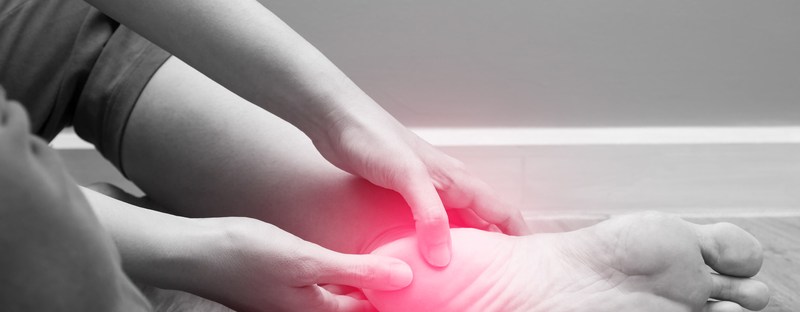
Inflammation of the plantar fascia which is a thick, fibrous band of tissue in the bottom of the foot which runs from the heel to the base of the toes. The symptom(s) you may feel is pain and local tenderness beginning at the heel and radiating to the arch, heel pain on the first couple of steps of the day, and/or pain at the beginning of a run but better at the end of the run.

Causes?

There are several things that can cause this condition. The following would/could contribute to the injury:

  1. Inflexible calf muscles
  2. A tight Achilles tendon,
  3. Uncorrected overpronation
  4. Overtraining
  5. Hard surfaces for training
  6. High arches

Treatment

In order to combat the pain and train properly, treating the cause of the problem is important, just like any other injury. The following can be tried one at a time to find the true culprit!

  1. Ice massage
  2. Custom orthotics and/or running shoes fit for your foot
  3. Stretching the calf
  4. Wearing a night splint ( I love the Strassburg Sock for this one instead of a bulky boot)

Exercises for Plantar Fasciitis
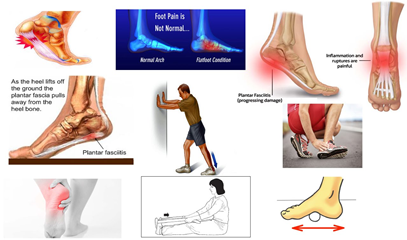
  1. Roll a golf ball or frozen 20oz water bottle before bed on bottom of foot for 20-30 seconds, 3 reps – I like placing mine in freezer to make it cold for the inflammation
  2. Stretch the bottom of the foot 20-30 seconds, 3-4 reps each morning and evening

Injury Prevention

RUNNING INJURIES: The Big 5

There have been several times in the past few years (not in my 20s) that running injuries have slowed my training. I have always been on top of my shoe wear but other things can cause injury. All of the “big 5” most common running injuries are overuse injuries. The most common running injuries we see is typically the following: Achilles Tendonitis, Plantar Fasciitis, Iliotibial Band Syndrome, Shin Splints, and Patellofemoral Pain Syndrome

They can be prevented through the following:

  • Ease into increasing- Don’t increase your weekly mileage by more than 10% a week. This allows the body to adapt to new training levels.
  • Allow for rest- Your body needs time to recover. This rest phase is actually when our muscles get stronger. Not allowing for enough rest leads to continual muscle breakdown.
  • Softer is better! If you are preparing for a 5K or other race there is no substitute for outdoor running. However, constantly pounding on concrete leads to
  • increased stress on the muscles and joints and compounds the risk for chronic tissue trauma. The more you can run on the asphalt (5 times softer than
  • concrete), packed dirt, or gravel, the better. Also, throwing in a couple of treadmill runs or track workouts a week is a nice way to give your body a break from the impact.
  • Running too much uphill or downhill can lead to various overuse strains such as Achilles tendonitis (uphill) or extra stress in the knees (downhill). If you add a hill workout to your schedule make sure you ease into it and stretch your calves really well afterwards. On the week you add hills DO NOT also add mileage. In the same vein, if you add a speed workout do not also increase mileage. Make sure you are comfortably sustaining 15 miles a week before adding any “quality” workout.
  • Shoes make the runner- Have a professional do a gait analysis to make sure you are getting the right amount of support and fit for your foot type. Running shoes last between 350-450 miles depending on running style, weight, and the surfaces on which you run.