Uncategorized

PATELLOFEMORAL PAIN SYNDROME (Runners Knee)

What is Patellofemoral Pain Syndrome?

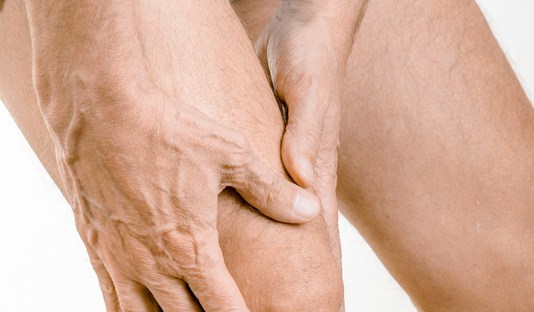
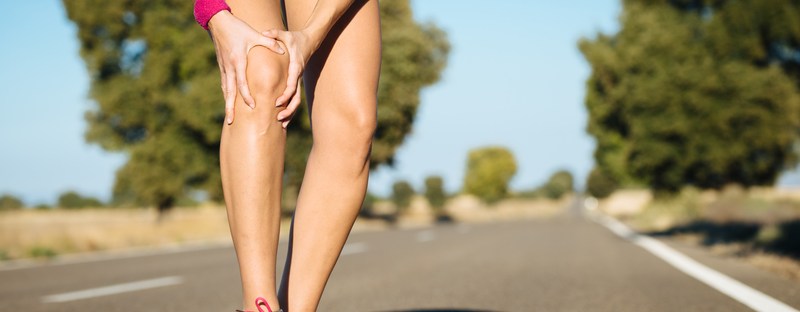
It is pain in the anterior knee at or below the patella caused when the kneecap is tracking wrong on the femur. This leads to the wearing away and cracking of the cartilage under the kneecap. You may experience the following symptoms: deep ache under the kneecap, worse when ascending and descending stairs, worse with downhill running, stiffness after prolonged sitting with the knee bent.

Causes?

There are several things that can make you more susceptible to iliotibial band syndrome. The following would/could contribute to the injury:

  1. Direct traumatic injury
  2. Imbalance of strength within the quadriceps (Vastus Medialis strength needed to help track the patella correctly)
  3. Repetitive stress (wear and tear)

Treatment
In order to combat the pain and train properly, treating the cause of the problem is important. You may have to try multiple modalities until you find the culprit!

  1. Ice
  2. Correct the muscle imbalance
  3. Tape the knee cap (see diagram below)
  4. Stretch

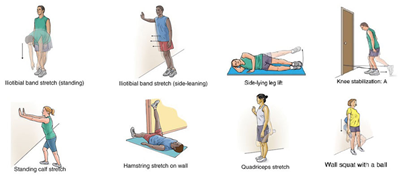
Exercises for Patellofemoral Pain
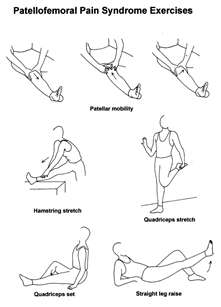


Stretches = 3 sets, 20-30sec hold; For Strength = 2=3 sets, 12-15reps ; 3 times a week
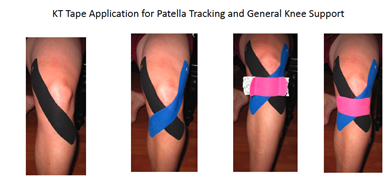
This is how to tape yourself using KT Tape, or grab an Athletic Trainer, like myself, to tape your knee if possible!
Uncategorized

ILIOTIBIAL BAND SYNDROME

What is Iliotibial Band Syndrome?

It is pain and inflammation on the outside of the knee. The IT band is a fibrous band on the outside of the thigh- when it becomes tight it results in a friction syndrome by rubbing against the femur as it runs along the knee joint or hip joint. The symptoms you experience are usually sharp pain on the outside of the knee and/or progressively worse pain throughout a run.

Causes?

 There are several things that can make you more susceptible to iliotibial band syndrome. The following would/could contribute to the injury:

  1. Weakness of the quadriceps and hip lateral rotators, and probably weakness of the gluteus maximus
  2. Bowed legs
  3. Uncorrected overpronation,
  4. Leg length discrepancy
  5. Hard downhill running
  6. Excessive speed work
  7. Running on banked surfaces

Treatment

In order to combat the pain and train properly, treating the cause of the problem is important. You may have to try multiple modalities until you find the culprit!

  1. Rest and ice
  2. Stretching
  3. Switch to softer surfaces
  4. Shoes with ample heel support and rearfoot cushioning
  5. Strengthening the quadriceps, hip lateral rotators, and gluteus maximus
  6. Stretching the IT Band, quads, and hip rotators, as well as gluteus maximus

Exercises for Iliotibial Band Syndrome

Stretches = 3 sets, 20-30 sec hold; For Strength = 2=3 sets, 12-15 reps

Uncategorized

PLANTAR FASCIITIS

What is Plantar Fasciitis?

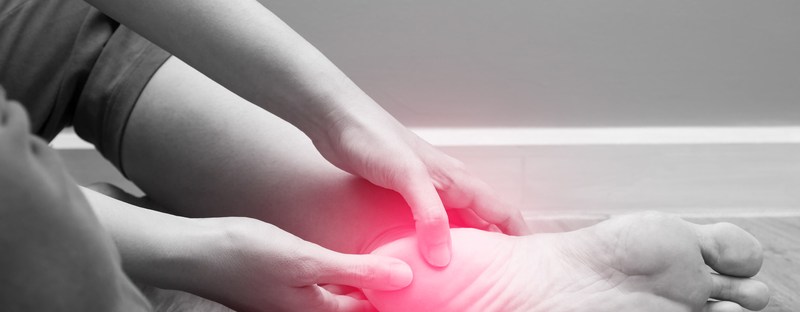
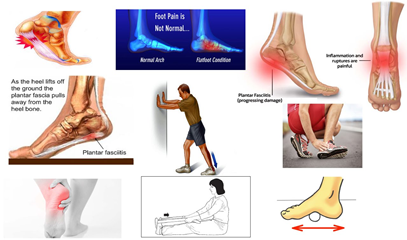
Inflammation of the plantar fascia which is a thick, fibrous band of tissue in the bottom of the foot which runs from the heel to the base of the toes. The symptom(s) you may feel is pain and local tenderness beginning at the heel and radiating to the arch, heel pain on the first couple of steps of the day, and/or pain at the beginning of a run but better at the end of the run.

Causes?

There are several things that can cause this condition. The following would/could contribute to the injury:

  1. Inflexible calf muscles
  2. A tight Achilles tendon,
  3. Uncorrected overpronation
  4. Overtraining
  5. Hard surfaces for training
  6. High arches

Treatment

In order to combat the pain and train properly, treating the cause of the problem is important, just like any other injury. The following can be tried one at a time to find the true culprit!

  1. Ice massage
  2. Custom orthotics and/or running shoes fit for your foot
  3. Stretching the calf
  4. Wearing a night splint ( I love the Strassburg Sock for this one instead of a bulky boot)

Exercises for Plantar Fasciitis

  1. Roll a golf ball or frozen 20oz water bottle before bed on bottom of foot for 20-30 seconds, 3 reps – I like placing mine in freezer to make it cold for the inflammation
  2. Stretch the bottom of the foot 20-30 seconds, 3-4 reps each morning and evening
Injury Prevention

Achilles Tendonitis

What is Achilles Tendonitis?

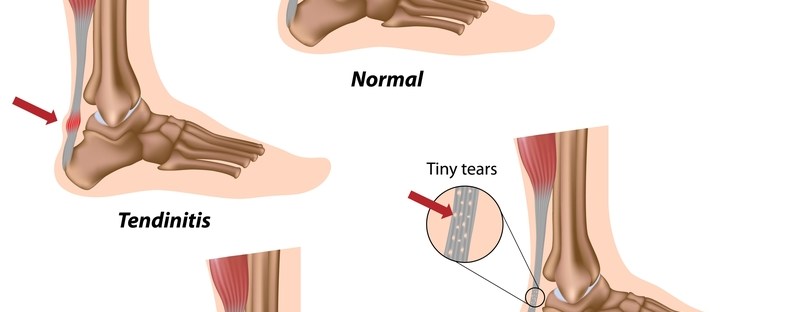
Inflammation of the Achilles Tendon which connects the two major calf muscles to the back of the heel bone. Under too much stress the tendon tightens up and is forced to work too hard and, thus, becomes inflamed. The symptoms you experience may be pain along the back of the tendon- usually close to the heel- limited ankle flexibility, a lumpy build-up of scar tissue on the tendon.

Causes?

There are several things that can cause Achilles Tendonitis during your training. The following would/could contribute to the injury:

  1. Tight calf muscles
  2. Inflexible running shoes
  3. Uncorrected overpronation
  4. Lots of hill running
  5. Over-training too quickly

Treatment

In order to combat the pain and train properly, treating the cause of the problem is important, just like any other injury. The following can be tried one at a time to find the true culprit!

  1. Decrease mileage
  2. Heel lift in the shoe
  3. Stretching properly
  4. Better shock absorption in the shoe, and/or a shoe to correct the overpronation (obtain biomechanical analysis on a treadmill at a specialty running shoe store that offers to start)
  5. An anti-inflammatory (ice, ibuprofen) (relieves and/or masks the pain so start with the above first and foremost)

Exercises for Achilles Tendonitis

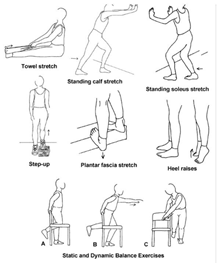
Do 3 sets of each for 20-30 sec hold on the stretch and balance